
Altcoins
California Challenges SEC Crypto Plan, Citing Threats to Investor Protection

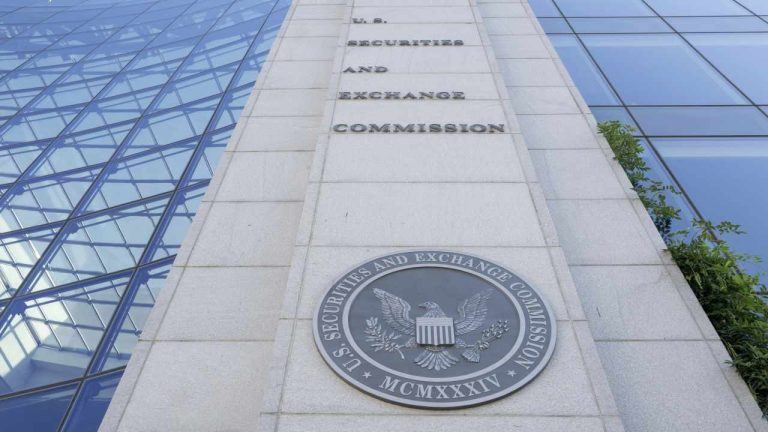
California officials are pushing back against a proposed Securities and Exchange Commission approach to cryptocurrency fundraising, warning that the plan could reduce the state’s ability to protect residents from high-risk investments.
The dispute focuses on the relationship between federal exemptions and state securities oversight. Under federal securities law, certain offerings may qualify for exemptions from the registration process, allowing companies to raise money without completing the same level of disclosure and review required for a public offering. California argues that those exemptions should not automatically prevent states from examining offerings before they are marketed or sold to investors.
At the center of the state’s concern is the possibility that crypto companies could rely on a federal exemption while avoiding meaningful scrutiny from state regulators. California officials say that would remove an important safeguard, particularly in a market where investment products can be complex, rapidly developed and difficult for ordinary buyers to assess.
State securities regulators traditionally serve as a second layer of oversight. They can review whether an offering meets local requirements, examine the information provided to potential investors and, in some cases, stop or restrict sales that raise concerns. California’s position is that this authority remains essential even when an offering falls within a federally recognized exemption.
The SEC proposal, as described by state officials, could limit that role by making it more difficult for states to conduct their own review. California is warning that the change would shift too much control to the federal level and leave investors with fewer options for recourse before money changes hands.
The issue reflects a long-running tension in American securities regulation. Federal rules establish a nationwide framework, but state regulators have historically retained the power to police securities activity within their borders. That system allows states to respond to local risks and investigate offerings that may not receive the same level of attention from federal authorities.
Cryptocurrency has added new complications to that balance. Digital-asset businesses may structure fundraising campaigns in ways that do not resemble traditional stock offerings. Some involve tokens, private placements or other arrangements that can be difficult to categorize. Investors may also face challenges in determining what rights they receive, how an asset is valued and whether a project has the financial or technical foundation described in its promotional materials.
California’s objection is not limited to the technology itself. Rather, state officials are focused on the consequences of reducing oversight at the point when an investment is first offered. They argue that preventive review can identify problems before investors are exposed, while enforcement after a failed project or alleged fraud may come too late to recover losses.
The state is also concerned about the practical effect of creating a broader path for crypto fundraising without corresponding disclosure requirements. If state regulators cannot review offerings, investors may have to depend largely on information supplied by the issuing company. California contends that this could make it harder to identify incomplete disclosures, aggressive claims or risks that are not presented clearly.
Supporters of a more streamlined federal approach have generally argued that overlapping state and federal requirements can increase costs and delay legitimate capital formation. A uniform process could make it easier for companies to raise funds and reduce uncertainty for businesses operating across multiple states. For crypto firms, which often seek to serve a national or international market, differences among state rules can be particularly burdensome.
California’s response reflects a different priority. State officials maintain that efficiency should not come at the expense of investor protections, especially in an industry that has experienced sharp price swings, business failures and regulatory disputes. From the state’s perspective, the ability to examine an offering before sales begin is a basic component of responsible oversight rather than an unnecessary obstacle to innovation.
The disagreement could have implications beyond digital assets. Any federal move to narrow state review of exempt offerings may affect how states supervise other private investment products as well. California’s challenge therefore raises a broader question about whether federal exemptions should operate as a complete shield from state scrutiny or whether states should retain a meaningful role in reviewing sales to residents.
The SEC has not been described as eliminating all investor protections under the proposal. The controversy instead concerns where those protections would be administered and how much discretion state regulators would continue to have. Federal filings, disclosure obligations and enforcement powers may remain in place, but California argues that those tools do not fully replace state-level screening before an offering reaches investors.
For potential buyers, the debate underscores the importance of understanding the legal structure behind a crypto investment. A federal exemption does not necessarily mean an asset is safe, profitable or endorsed by regulators. It generally concerns the way an offering may be conducted, not the quality of the investment itself.
California’s opposition now places the state among the strongest voices urging the SEC to preserve state authority. The outcome will help determine whether crypto fundraising is governed primarily through a centralized federal system or through a structure that continues to give states a direct role in reviewing investment opportunities offered to their residents.

California Challenges SEC Crypto Plan, Citing Threats to Investor Protection

Bitcoin Network Reclaims 1 ZH/s Seven-Day Hashrate Mark After Nearly Eight Months

Block’s Human-Like Voice AI Raises New Concerns Over Fraud Risks

Gaming Technologies of the New Time!

Calls for Enhanced Discussion on Bitcoin as Brazil’s Reserve Asset: A Move Towards ‘Internet’s Gold’

Bitcoin Declines Below $80K: deVere CEO Nigel Green Remains Bullish on Long-Term Outlook Following Strategic U.S. Bitcoin Reserve Announcement
-
 Press Releases2 years ago
Gaming Technologies of the New Time!
-
 Altcoins2 years ago
Calls for Enhanced Discussion on Bitcoin as Brazil’s Reserve Asset: A Move Towards ‘Internet’s Gold’
-
 Altcoins2 years ago
Bitcoin Declines Below $80K: deVere CEO Nigel Green Remains Bullish on Long-Term Outlook Following Strategic U.S. Bitcoin Reserve Announcement
-

 Bitcoin2 years ago
Bitcoin Surges Past $64K as SEI and POPCAT Lead Daily Crypto Gains on September 25
-

 Bitcoin1 year ago
Peter Schiff เตือนนักลงทุนคริปโตขาย Ethereum (ETH) เพื่อซื้อ Bitcoin ชี้ ETH มีศักยภาพจำกัด
-

 Bitcoin1 year ago
Strategy ขยายการถือครองบิตคอยน์สู่ 580,955 BTC หลังจากการซื้อใหม่มูลค่าหลายล้านดอลลาร์
-

 Press Releases2 years ago
Evo Exchange: Redefining the Decentralized Exchange Landscape
-

 Altcoins2 years ago
FBI เชื่อมโยงนักแสดงเกาหลีเข้ากับการแฮ็ก DMM Exchange มูลค่า 308 ล้านดอลลาร์