
Altcoins
Wells Fargo Explores Crypto Liquidity Partnership With Kraken Parent Payward

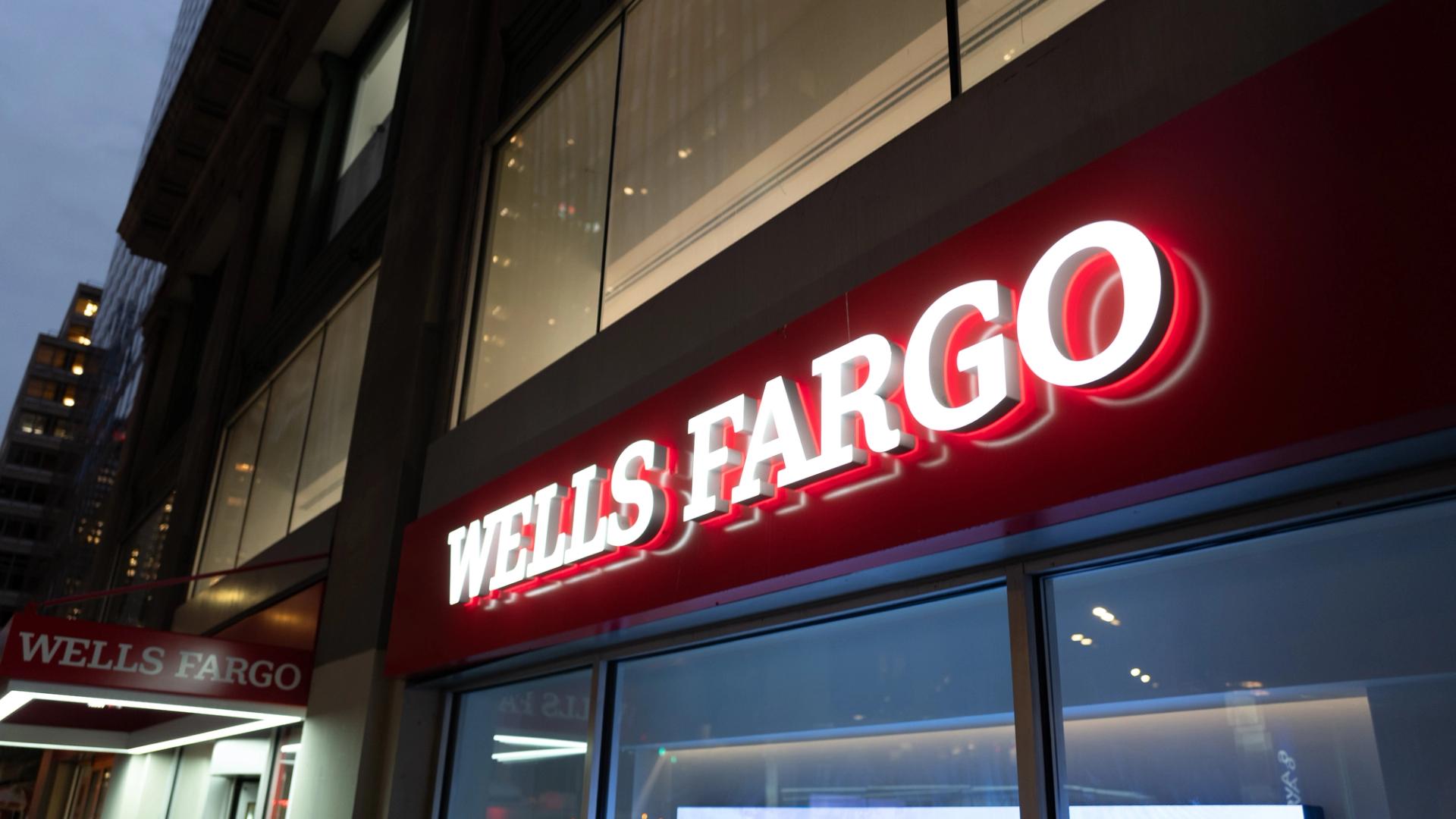
Wells Fargo is in discussions with Payward, the parent company of cryptocurrency exchange Kraken, over a potential arrangement that would provide liquidity for the bank’s crypto-trading activities, according to the source.
The talks come as large financial institutions continue to examine how digital-asset services can be incorporated into established banking and trading operations. No agreement has been announced, and the discussions may not result in a completed transaction. The terms under consideration, including the potential size and structure of any arrangement, were not disclosed.
Liquidity is a central part of electronic trading. It refers to the availability of buyers and sellers willing to transact at or near the prevailing market price. In crypto markets, a liquidity provider can help facilitate trades by placing orders on both sides of a market or by making digital assets available through other trading and settlement arrangements. Stronger liquidity generally allows transactions to be completed more efficiently, while thinner markets can produce wider spreads and more pronounced price movements.
For a bank exploring crypto trading, access to dependable liquidity can be as important as the technology used to execute orders. A financial institution may need the ability to source digital assets, manage customer transactions and limit the market impact of larger trades. Working with an established crypto-market participant could provide access to infrastructure and trading relationships that would otherwise take considerable time to develop internally.
Payward operates Kraken, one of the better-known cryptocurrency exchanges. Through its exchange business and related market infrastructure, the company has developed experience in matching buyers and sellers across digital-asset markets. The potential role described in the discussions would be focused on supplying trading liquidity rather than necessarily indicating that Wells Fargo intends to acquire Kraken, invest in Payward or form a broader corporate partnership.
The talks also reflect the changing relationship between traditional banks and the cryptocurrency industry. Digital assets were initially developed largely outside the established financial system, but banks, asset managers and payment companies have increasingly sought ways to participate as demand from institutional and professional investors has grown. Their involvement has often centered on custody, trading access, settlement, payments and other services that support market activity without requiring a bank to issue or promote individual tokens.
For banks, crypto-related expansion carries both commercial opportunities and operational challenges. Digital-asset markets operate across international venues and can remain active around the clock, unlike conventional stock markets that follow defined exchange schedules. Prices can also move sharply, and the infrastructure supporting trading, custody and settlement differs from systems used for traditional securities. Any bank entering the area must therefore consider technology, cybersecurity, asset safekeeping, market-risk controls and compliance procedures.
Regulatory expectations are another important factor. Financial institutions generally need to assess whether a proposed digital-asset service fits within their existing risk-management frameworks and applicable banking rules. The precise requirements can vary depending on the activity, the assets involved and the jurisdictions in which the service is offered. A liquidity arrangement would consequently require more than a commercial agreement between two companies; it would also need to operate within the bank’s legal, compliance and supervisory requirements.
The discussions involving Wells Fargo and Payward do not by themselves establish that the bank has launched a new crypto-trading product or that customers will immediately receive broader access to digital assets. They indicate that the two companies are exploring a relationship in which Payward could help support trading activity. The eventual outcome, if the talks advance, would depend on due diligence, internal approvals, regulatory considerations and agreement on the commercial terms.
The development is nevertheless notable because liquidity arrangements can serve as a foundation for institutional digital-asset services. A bank may use such relationships to test trading capabilities, improve execution or prepare for a broader offering. It can also allow the institution to participate in the market while relying on an external specialist for part of the trading function.
For Payward, discussions with a major U.S. bank would underscore the continuing importance of crypto-market infrastructure to traditional finance. Exchanges and other digital-asset firms have increasingly sought relationships with established financial institutions as the sector moves toward greater integration with conventional markets. Banks, in turn, can gain access to specialized expertise while retaining control over customer relationships, risk policies and regulatory oversight.
At this stage, however, the talks remain preliminary. Neither the reported discussions nor Payward’s potential role establishes the final design of any Wells Fargo crypto-trading service. Until the companies disclose an agreement, the scope, timing and practical impact of a possible liquidity relationship remain uncertain.


Wells Fargo Explores Crypto Liquidity Partnership With Kraken Parent Payward
Citi Expands Token Services to Japan and UAE Across Seven Markets, Challenging Crypto Payment Rails

Solana x402 Enables AI Agents to Bundle USDC Payments and Reduce Fees

Gaming Technologies of the New Time!

Calls for Enhanced Discussion on Bitcoin as Brazil’s Reserve Asset: A Move Towards ‘Internet’s Gold’

Bitcoin Declines Below $80K: deVere CEO Nigel Green Remains Bullish on Long-Term Outlook Following Strategic U.S. Bitcoin Reserve Announcement
-
 Press Releases2 years ago
Gaming Technologies of the New Time!
-
 Altcoins2 years ago
Calls for Enhanced Discussion on Bitcoin as Brazil’s Reserve Asset: A Move Towards ‘Internet’s Gold’
-
 Altcoins2 years ago
Bitcoin Declines Below $80K: deVere CEO Nigel Green Remains Bullish on Long-Term Outlook Following Strategic U.S. Bitcoin Reserve Announcement
-

 Bitcoin2 years ago
Bitcoin Surges Past $64K as SEI and POPCAT Lead Daily Crypto Gains on September 25
-

 Press Releases2 years ago
Evo Exchange: Redefining the Decentralized Exchange Landscape
-

 Bitcoin1 year ago
Peter Schiff เตือนนักลงทุนคริปโตขาย Ethereum (ETH) เพื่อซื้อ Bitcoin ชี้ ETH มีศักยภาพจำกัด
-

 Bitcoin1 year ago
Grayscale Investments Submits Draft Registration for IPO, Aiming for Public Trading in U.S.
-

 Press Releases2 years ago
CODE, a Newly Born Project Brings Decentralization Back to the Main Menu