
Altcoins
South Korea’s Crypto Tax May Face Fourth Postponement Before 2029 Start: Report


South Korea may postpone the introduction of its cryptocurrency gains tax for a fourth time, according to local media reports, potentially moving the effective date to 2029. If adopted, the latest delay would extend a policy process that began with an original launch target of 2022 and would mean digital-asset investors continue operating without the planned tax being collected for several more years.
The reported proposal has not yet produced a new tax regime. It signals instead that the government is considering another change to the timetable, adding to a long-running debate over how and when cryptocurrency income should be treated under South Korean law. Any further postponement would require the relevant legislative and administrative steps before becoming final.
South Korea has spent years attempting to establish a clear framework for taxing profits from virtual assets. The original schedule placed the start of taxation in 2022, but implementation was repeatedly pushed back as lawmakers and officials debated the readiness of the market, the fairness of the rules and the practical ability of exchanges and tax authorities to calculate taxable gains.
The proposed move to 2029 would represent the fourth delay. It would also underline the difficulty policymakers have faced in turning a broad commitment to tax cryptocurrency income into a system that can be applied consistently. Unlike conventional financial products, digital assets can be traded across multiple platforms and transferred between wallets, creating additional questions about record-keeping, valuation and the point at which a gain should be recognized.
For investors, another postponement would extend the period of uncertainty surrounding their tax obligations. Traders have had to follow a succession of proposed start dates, each of which influenced expectations about whether profits would soon need to be reported and taxed. A longer grace period could provide more time for market participants to organize transaction records and for authorities to refine their reporting systems, but it could also make the policy appear less predictable.
That uncertainty is particularly significant in a market where prices can change sharply and where trading activity is spread across domestic exchanges, overseas platforms and private wallets. Calculating a person’s taxable result may require information from numerous transactions, including purchases, sales, transfers and exchanges between different tokens. The longer the rollout is delayed, the more opportunity there is for the market and technology to evolve before the rules take effect.
The debate also reflects a broader question facing governments around the world: how to bring cryptocurrency into existing tax systems without treating it either more harshly or more favorably than comparable investments. Authorities generally seek to ensure that income from digital assets is reported, while industry participants often argue that the rules should be introduced only after the government has established clear definitions, reliable reporting standards and practical guidance for ordinary investors.
South Korea’s repeated postponements have kept that balance at the center of the discussion. Policymakers must weigh the need for revenue and enforcement against concerns that an unclear or poorly timed system could impose excessive costs on exchanges and investors. They must also consider how domestic rules interact with the global nature of cryptocurrency trading, since users can move assets between jurisdictions more easily than they can transfer many traditional investments.
A delay to 2029 would not necessarily end the policy debate. It could give lawmakers additional time to review the structure of the planned tax, assess the condition of the digital-asset market and address concerns about compliance. At the same time, another revised timetable could prompt questions about whether the government has settled on a durable approach or is continuing to defer difficult decisions.
The immediate effect, if the reported plan proceeds, would be to preserve the existing situation: the cryptocurrency gains tax would not begin on the previously anticipated schedule, and investors would receive additional time before the state starts collecting under the delayed framework. The precise terms, implementation process and final date would still depend on official action.
For now, the reported 2029 target remains part of a proposed shift rather than an accomplished change in law. But the possibility of a fourth postponement shows that South Korea’s attempt to tax cryptocurrency profits is still unfinished, more than four years after the policy was originally expected to begin.

South Korea’s Crypto Tax May Face Fourth Postponement Before 2029 Start: Report
a16z Removes “Crypto” Label From Flagship Fund as Investment Strategy Shifts
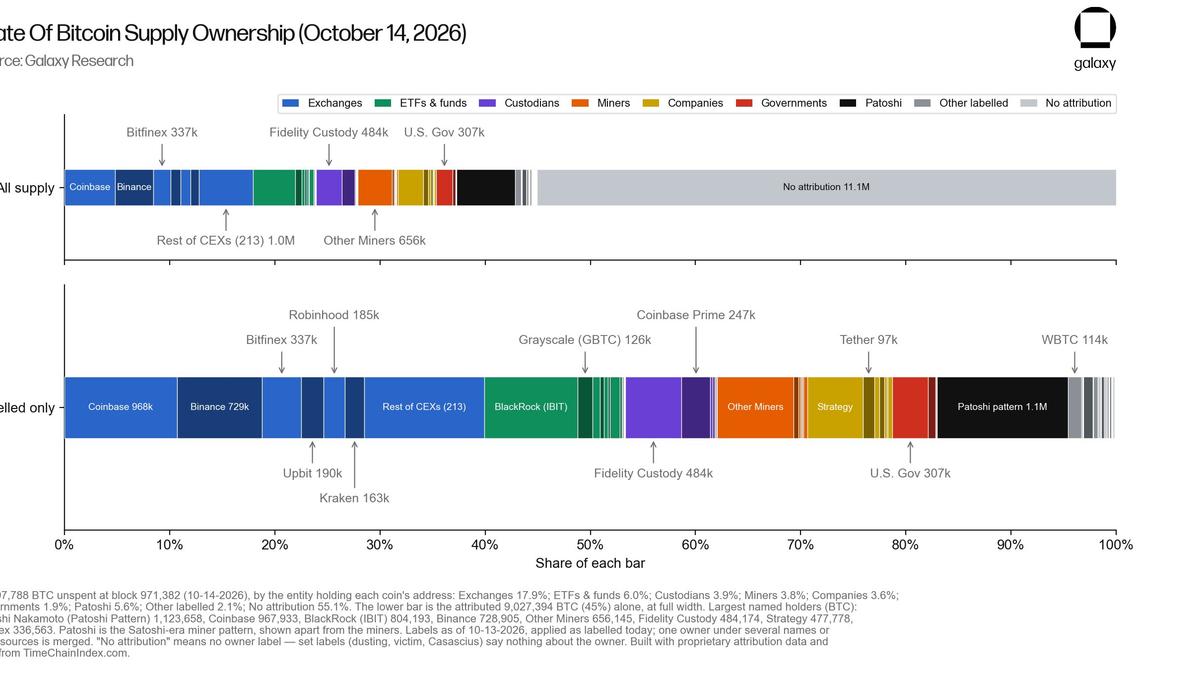
Bitcoin: More Than 11 Million Coins Have No Identified Owner

Gaming Technologies of the New Time!

Calls for Enhanced Discussion on Bitcoin as Brazil’s Reserve Asset: A Move Towards ‘Internet’s Gold’

Bitcoin Declines Below $80K: deVere CEO Nigel Green Remains Bullish on Long-Term Outlook Following Strategic U.S. Bitcoin Reserve Announcement
-
 Press Releases2 years ago
Gaming Technologies of the New Time!
-
 Altcoins2 years ago
Calls for Enhanced Discussion on Bitcoin as Brazil’s Reserve Asset: A Move Towards ‘Internet’s Gold’
-
 Altcoins2 years ago
Bitcoin Declines Below $80K: deVere CEO Nigel Green Remains Bullish on Long-Term Outlook Following Strategic U.S. Bitcoin Reserve Announcement
-

 Bitcoin2 years ago
Bitcoin Surges Past $64K as SEI and POPCAT Lead Daily Crypto Gains on September 25
-

 Bitcoin1 year ago
Peter Schiff เตือนนักลงทุนคริปโตขาย Ethereum (ETH) เพื่อซื้อ Bitcoin ชี้ ETH มีศักยภาพจำกัด
-

 Bitcoin1 year ago
Strategy ขยายการถือครองบิตคอยน์สู่ 580,955 BTC หลังจากการซื้อใหม่มูลค่าหลายล้านดอลลาร์
-

 Press Releases2 years ago
Evo Exchange: Redefining the Decentralized Exchange Landscape
-

 Altcoins2 years ago
FBI เชื่อมโยงนักแสดงเกาหลีเข้ากับการแฮ็ก DMM Exchange มูลค่า 308 ล้านดอลลาร์