
Altcoins
SEC Unveils Proposed Crypto Custody Standards for Advisers and Investment Funds

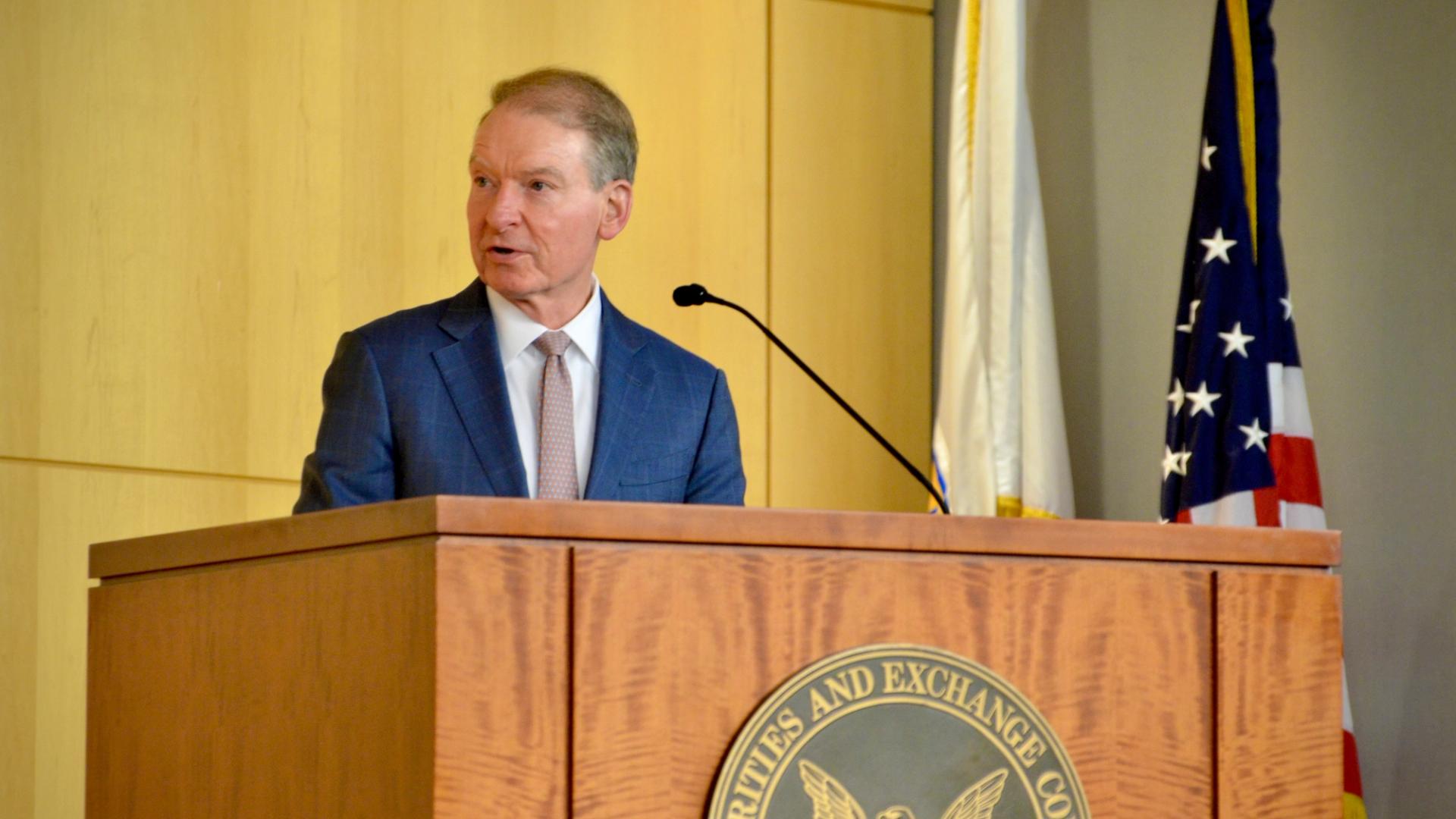
The U.S. Securities and Exchange Commission has issued a proposed rule aimed at the custody of crypto assets held or managed by investment advisers and funds, opening a new phase in the agency’s effort to bring digital-asset practices within the broader investor-protection framework.
The proposal arrives as Commissioner Hester Peirce prepares to leave the SEC this week. Peirce, who became the first head of the agency’s Crypto Task Force, has played a prominent role in shaping the commission’s approach to digital assets. The custody proposal therefore carries significance not only as a regulatory action, but also as one of the final initiatives associated with her tenure leading the task force.
Because the measure is proposed rather than final, it is not immediately a binding requirement. The SEC will typically allow interested parties to review the text, submit comments and raise concerns before deciding whether to adopt, revise or withdraw the measure. That process can be particularly consequential for crypto regulation, where investment firms, custodians and digital-asset companies have frequently argued that traditional securities rules do not always fit blockchain-based assets.
Custody rules govern how client property is held, protected and accounted for when an investment adviser manages money on behalf of others. In conventional markets, those responsibilities generally involve independent custodians, recordkeeping, controls over withdrawals and procedures designed to prevent the misuse or loss of client assets. Digital assets add operational complications because ownership and transfers are recorded on distributed ledgers, while access is controlled through private keys and related security systems.
The failure, loss or theft of a private key can make an asset inaccessible, even when the underlying blockchain remains operational. Crypto custody can also involve multiple layers of technology, including wallets, signing systems, transfer approvals and cybersecurity protections. A regulatory framework addressing these activities could affect how advisers select custodians, structure trading arrangements and demonstrate that client assets remain separate from a firm’s own property.
For investment advisers and funds, the question is not limited to where an asset is stored. Firms must also consider who has control over transfers, how transactions are authorized, what records are maintained and how clients would recover their property if a custodian failed. Those issues have become more prominent as digital assets have moved from a niche product into portfolios offered by financial institutions and investment managers.
The SEC’s action also reflects a long-running debate over whether crypto assets should be treated differently from other investments for custody purposes. Industry participants have sought clearer guidance on the status of digital tokens, trading platforms and specialized custodians. Some firms have warned that uncertainty may discourage regulated institutions from offering custody services or supporting crypto-related investment products. Investor advocates, meanwhile, have stressed that the technological novelty of an asset should not reduce protections against fraud, insolvency or operational failure.
A proposed custody rule can influence the market even before it takes effect. Advisers often begin reviewing their systems and vendor relationships when regulators publish detailed requirements. Custodians may assess whether their technology, insurance arrangements and internal controls could satisfy the eventual standard. Funds and asset managers may likewise need to evaluate the cost of compliance, particularly if the rule requires additional oversight or more extensive documentation.
The SEC’s proposal comes against a broader backdrop of uncertainty over digital-asset regulation in the United States. The agency has pursued enforcement actions and rulemaking involving crypto businesses while market participants have pressed Congress and federal regulators for clearer boundaries. Custody has remained one of the most sensitive areas because it sits at the intersection of investor protection, financial stability, cybersecurity and the practical mechanics of blockchain transactions.
Peirce has been a distinctive voice within the SEC’s crypto debate. Her role as the inaugural leader of the Crypto Task Force placed her at the center of efforts to develop a more organized approach to digital assets. The task force’s work has been closely watched by companies seeking clearer rules and by investors concerned about how digital assets are held and protected. Her departure gives the custody proposal an added institutional dimension, although the SEC’s rulemaking process will continue after she leaves.
The measure’s ultimate effect will depend on its specific requirements, the comments received and the commission’s final decision. Advisers, funds, custodians and crypto companies are expected to examine how the proposal could affect existing arrangements, from wallet management to the use of outside service providers. Investors will also be watching for evidence that any final rule can provide meaningful safeguards without making it impractical for regulated firms to offer digital-asset products.
For now, the SEC has placed crypto custody at the center of another formal regulatory proceeding. The proposal signals that the agency views the protection and control of digital assets as a core responsibility of investment management, while leaving the industry to weigh the costs, technical challenges and investor benefits before the rules take final shape.


SEC Unveils Proposed Crypto Custody Standards for Advisers and Investment Funds

Bitcoin Rebounds to $85,000 as October Trading Begins

MetaMask Security Incident Triggers Ethereum Staking Exits Without Putting Funds at Risk

Gaming Technologies of the New Time!

Calls for Enhanced Discussion on Bitcoin as Brazil’s Reserve Asset: A Move Towards ‘Internet’s Gold’

Bitcoin Declines Below $80K: deVere CEO Nigel Green Remains Bullish on Long-Term Outlook Following Strategic U.S. Bitcoin Reserve Announcement
-
 Press Releases2 years ago
Gaming Technologies of the New Time!
-
 Altcoins2 years ago
Calls for Enhanced Discussion on Bitcoin as Brazil’s Reserve Asset: A Move Towards ‘Internet’s Gold’
-
 Altcoins2 years ago
Bitcoin Declines Below $80K: deVere CEO Nigel Green Remains Bullish on Long-Term Outlook Following Strategic U.S. Bitcoin Reserve Announcement
-

 Bitcoin2 years ago
Bitcoin Surges Past $64K as SEI and POPCAT Lead Daily Crypto Gains on September 25
-

 Press Releases2 years ago
Evo Exchange: Redefining the Decentralized Exchange Landscape
-

 Bitcoin1 year ago
Grayscale Investments Submits Draft Registration for IPO, Aiming for Public Trading in U.S.
-

 Bitcoin1 year ago
Peter Schiff เตือนนักลงทุนคริปโตขาย Ethereum (ETH) เพื่อซื้อ Bitcoin ชี้ ETH มีศักยภาพจำกัด
-

 Press Releases2 years ago
CODE, a Newly Born Project Brings Decentralization Back to the Main Menu