
Altcoins
SEC Staff Explains How Token Issuer Commitments Can Determine Securities Status

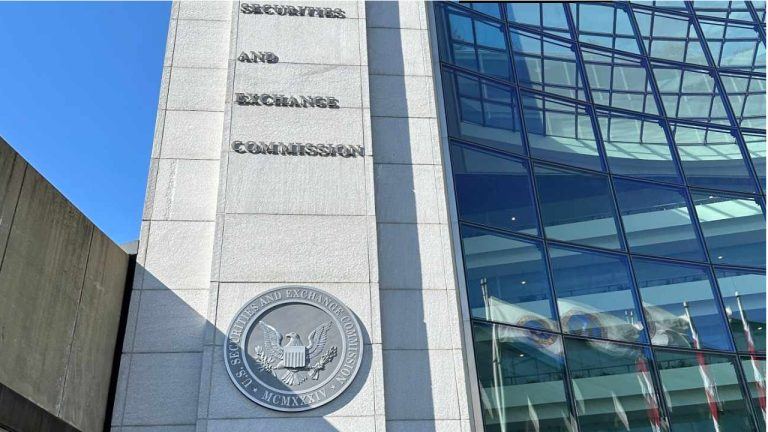
The U.S. Securities and Exchange Commission’s staff has clarified that the way a crypto asset is presented to buyers can influence whether an offering is treated as involving an investment contract, even when the underlying token is not itself considered a security.
The guidance focuses on the promises and representations made around a token sale. According to the staff’s explanation, regulators may examine what purchasers were led to expect, including whether they were encouraged to rely on the issuer or an affiliated group to develop a network, increase demand, support a market or otherwise create value. The analysis therefore does not end with the technical design of a token or the rights formally attached to it.
The distinction is important because the SEC’s securities framework generally looks at the economic substance of a transaction rather than relying solely on labels. Under the long-standing investment-contract test associated with the Supreme Court’s Howey decision, an arrangement may fall within the definition of a security when people invest money in a common enterprise with an expectation of profits to be derived from the efforts of others.
A token may have utility within a blockchain ecosystem and still be sold in circumstances that raise investment-contract questions. Conversely, the staff’s clarification suggests that the same asset could face different treatment depending on the claims made to buyers, the structure of the transaction and the role assigned to the issuer or other promoters.
Marketing is one of the areas highlighted by the staff. Promotional statements can shape a purchaser’s expectations about potential returns, future demand or the issuer’s role in building the ecosystem. Communications that emphasize the work a team will perform to make a network successful may receive closer scrutiny than descriptions limited to a token’s current functionality. The relevant issue is not simply whether a project uses words such as “utility” or “governance,” but whether the overall presentation encourages buyers to view the asset as an opportunity to profit from someone else’s managerial or entrepreneurial efforts.
The staff also addressed promises involving network development. Many crypto projects rely on a core team, foundation or related organization to write software, attract users, establish partnerships and maintain infrastructure. If buyers are told that these efforts will expand the network and potentially increase the token’s value, those assurances may be relevant to the securities analysis. The timing of the promises can also matter, since representations made during an initial distribution may influence how purchasers understand the transaction.
Buyback commitments represent another area of concern. A project that indicates it will repurchase tokens, use revenues to support prices or take other steps to create scarcity may affect the expectations of purchasers. Such arrangements can be evaluated alongside the broader marketing campaign and the issuer’s stated plans. The staff’s comments do not mean that every buyback program automatically creates a securities offering. Rather, they underscore that an issuer’s stated intentions and the economic effect buyers are encouraged to anticipate can form part of the regulatory inquiry.
The clarification further considers staking-related receipts. Staking allows holders of certain blockchain assets to help validate transactions or support network operations in exchange for rewards. In some arrangements, users receive a receipt or another digital representation after depositing assets with a service provider. The securities analysis may depend on what the provider undertakes to do, how much control it exercises over the activity and whether customers are relying on the provider’s efforts to generate returns.
That issue is separate from the question of whether staking itself is inherently a securities transaction. The staff’s discussion instead points to the specific features of an arrangement, including the promises made to participants and the source of any expected rewards. A service that merely facilitates a user’s own participation may present different considerations from one in which customers hand over assets and depend on an intermediary to perform the relevant work.
Trading platforms are also included in the staff’s answers. Statements by an issuer about where a token will trade, how it will be supported or what steps will be taken to create liquidity may contribute to buyers’ expectations. The existence of a secondary market alone does not determine whether an asset was sold as part of an investment contract, but representations about trading access and market support can become relevant when considered with the rest of an offering.
The staff’s position reinforces the need for crypto businesses to assess communications across an entire project rather than reviewing a white paper or token contract in isolation. Websites, social-media posts, investor presentations, technical documentation and public comments by executives may all help establish how an offering was understood by purchasers. Disclaimers may not resolve the issue if the broader message points in another direction.
The response is staff guidance rather than a new statute or formal rule, and it does not provide a universal classification for every token or crypto business model. Questions will continue to depend on the facts and circumstances of each arrangement. Still, the clarification gives issuers and market participants a clearer indication of what may draw regulatory attention: not only what a token is, but also what buyers are promised and whose efforts they are expected to rely on.
For crypto companies, that distinction can affect how offerings are structured, how promotional material is written and how ongoing activities such as development, staking support, buybacks and market access are described. For buyers, it highlights why the surrounding promises may be as significant as the token’s code or stated use.


Bitcoin Steadies Near $81K as Analysts Signal a Possible Market Floor

Deutsche Bank Advances Toward Institutional Bitcoin and Ether Custody Rollout

Why XRP Has Lagged Bitcoin and Ether in Delivering Returns to Holders

Gaming Technologies of the New Time!

Calls for Enhanced Discussion on Bitcoin as Brazil’s Reserve Asset: A Move Towards ‘Internet’s Gold’

Bitcoin Declines Below $80K: deVere CEO Nigel Green Remains Bullish on Long-Term Outlook Following Strategic U.S. Bitcoin Reserve Announcement
-
 Press Releases2 years ago
Gaming Technologies of the New Time!
-
 Altcoins2 years ago
Calls for Enhanced Discussion on Bitcoin as Brazil’s Reserve Asset: A Move Towards ‘Internet’s Gold’
-
 Altcoins2 years ago
Bitcoin Declines Below $80K: deVere CEO Nigel Green Remains Bullish on Long-Term Outlook Following Strategic U.S. Bitcoin Reserve Announcement
-
 Bitcoin2 years ago
Bitcoin Surges Past $64K as SEI and POPCAT Lead Daily Crypto Gains on September 25
-

 Bitcoin1 year ago
Peter Schiff เตือนนักลงทุนคริปโตขาย Ethereum (ETH) เพื่อซื้อ Bitcoin ชี้ ETH มีศักยภาพจำกัด
-
 Press Releases2 years ago
Evo Exchange: Redefining the Decentralized Exchange Landscape
-

 Bitcoin1 year ago
Grayscale Investments Submits Draft Registration for IPO, Aiming for Public Trading in U.S.
-

 Press Releases2 years ago
CODE, a Newly Born Project Brings Decentralization Back to the Main Menu