
Bitcoin
Binance Weighs Stock-Trading Expansion in Hong Kong, South Korea, Taiwan and Brazil

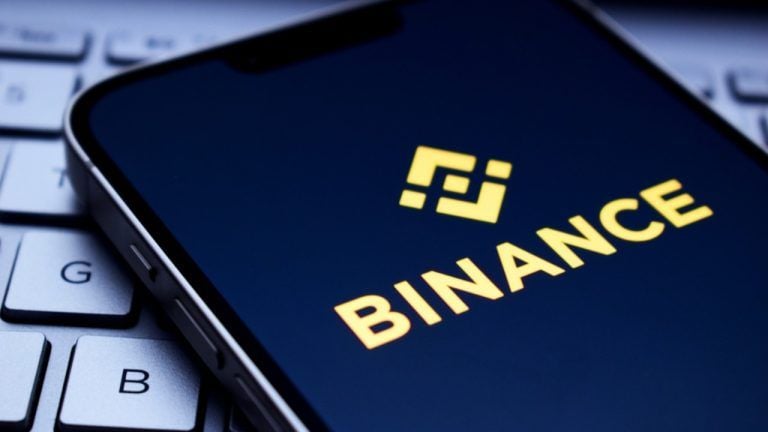
Binance is examining ways to provide customers with access to major stocks in several international markets, including Hong Kong, South Korea, Taiwan and Brazil, as the cryptocurrency exchange considers expanding its business beyond digital assets.
The exploration marks a potential broadening of Binance’s platform, which has historically been centered on cryptocurrency trading, custody and related services. Rather than limiting users to bitcoin and other tokens, the company is evaluating whether its global customer base could also gain exposure to established companies listed on traditional stock exchanges.
No final launch timetable or detailed product structure has been announced. The initiative remains under consideration, meaning Binance has not confirmed which securities might be offered, how trading would be conducted or whether access would be available in all of the markets where the exchange operates. Those details would likely depend on local regulations, licensing requirements and the legal structure used for the service.
The markets being examined represent a diverse group of financial centers. Hong Kong is a major regional hub with a large listed-equity market and close links to mainland China. South Korea is home to internationally recognized technology, automobile and industrial companies, while Taiwan is widely known for its semiconductor industry. Brazil, meanwhile, offers exposure to one of Latin America’s largest economies and a significant domestic stock market.
Offering access to equities from those regions could give Binance a way to attract users interested in a wider range of investments. It could also allow the company to compete more directly with trading platforms that combine cryptocurrency, stocks and other financial products in a single application. For customers, the appeal would be the ability to manage different types of assets through one account rather than moving between specialized exchanges.
The proposed expansion reflects a broader change across the financial-services industry. Traditional brokerages have added cryptocurrency products, while digital-asset platforms have increasingly explored services associated with conventional finance. The boundary between the two sectors has become less distinct as investors seek platforms that offer access to multiple asset classes.
For Binance, a move into stocks would represent a significant extension of its existing exchange model. Equity trading is governed by rules that differ substantially from those applying to cryptocurrencies. Depending on the jurisdiction, providers may need authorization as brokers, securities dealers or investment firms. They may also face requirements covering customer protection, market surveillance, reporting, recordkeeping and the separation of client assets.
Cross-border access would add another layer of complexity. A product that can be offered in one country may not be available in another, and securities regulations often differ over who may trade particular shares, how orders are executed and whether fractional or derivative exposure is permitted. Binance would therefore need to determine whether it could support direct ownership of stocks, contracts that track stock prices or another form of investment exposure.
The distinction is important for users. Direct equity ownership, synthetic products and exchange-traded instruments can carry different rights, costs and risks. Investors may also receive different treatment regarding voting rights, dividends, tax reporting and custody depending on the arrangement. Until Binance publishes more information, it remains unclear which of these models, if any, it is considering.
The company’s interest in stocks also comes as crypto exchanges seek to make their businesses less dependent on digital-asset market cycles. Cryptocurrency trading activity can fluctuate sharply with prices, investor sentiment and regulatory developments. Additional financial products could provide platforms with new sources of activity and help them remain relevant when interest in crypto trading weakens.
At the same time, the expansion could expose Binance to scrutiny from regulators and traditional market participants. Authorities may examine whether the exchange has the appropriate permissions in each country and whether its systems are suitable for handling securities transactions. Regulators could also assess how customer funds are protected, how conflicts of interest are managed and whether users receive sufficient information about the products being offered.
The choice of Hong Kong, South Korea, Taiwan and Brazil suggests that Binance is considering a geographically broad strategy rather than concentrating only on the United States or Europe. Each market has its own investor base, listed companies and regulatory framework. Building a service across them would require local partnerships, technical integration with market infrastructure and compliance programs tailored to each jurisdiction.
For users, the potential offering could make regional companies more accessible to an international audience, although availability would almost certainly vary by location. Restrictions based on residence, investor status or local law could determine which securities customers are allowed to buy. Currency conversion, trading hours, settlement procedures and fees would also affect how practical the service is for everyday investors.
Binance’s exploration does not mean that stock trading has already been added to its platform, nor does it confirm that a launch will take place. For now, the company is assessing how it might extend its reach into traditional markets while operating within the rules governing securities and financial services.
If implemented, the plan would place Binance among a growing group of financial platforms attempting to combine digital assets with conventional investments. Its success would depend not only on customer demand, but also on the exchange’s ability to secure approvals, build market-specific infrastructure and provide a transparent structure for holding and trading stocks across multiple jurisdictions.

Binance Weighs Stock-Trading Expansion in Hong Kong, South Korea, Taiwan and Brazil

Mastercard Extends Stablecoin Payments to Millions of Retail Checkout Points

Ledger Outlines Plans to Turn Its Crypto Hardware Wallet Into a Smartphone

Gaming Technologies of the New Time!

Calls for Enhanced Discussion on Bitcoin as Brazil’s Reserve Asset: A Move Towards ‘Internet’s Gold’

Bitcoin Declines Below $80K: deVere CEO Nigel Green Remains Bullish on Long-Term Outlook Following Strategic U.S. Bitcoin Reserve Announcement
-
 Press Releases2 years ago
Gaming Technologies of the New Time!
-
 Altcoins2 years ago
Calls for Enhanced Discussion on Bitcoin as Brazil’s Reserve Asset: A Move Towards ‘Internet’s Gold’
-
 Altcoins2 years ago
Bitcoin Declines Below $80K: deVere CEO Nigel Green Remains Bullish on Long-Term Outlook Following Strategic U.S. Bitcoin Reserve Announcement
-

 Bitcoin2 years ago
Bitcoin Surges Past $64K as SEI and POPCAT Lead Daily Crypto Gains on September 25
-

 Bitcoin1 year ago
Peter Schiff เตือนนักลงทุนคริปโตขาย Ethereum (ETH) เพื่อซื้อ Bitcoin ชี้ ETH มีศักยภาพจำกัด
-
 Press Releases2 years ago
Evo Exchange: Redefining the Decentralized Exchange Landscape
-

 Bitcoin1 year ago
Grayscale Investments Submits Draft Registration for IPO, Aiming for Public Trading in U.S.
-

 Press Releases2 years ago
CODE, a Newly Born Project Brings Decentralization Back to the Main Menu