
Altcoins
Kyrgyzstan Halts USDKG Stablecoin and Burns 50 Million Tokens


Kyrgyzstan is winding down USDKG, a state-backed stablecoin linked to gold, in a move that will also bring the country’s first state-owned cryptocurrency exchange and the token’s issuing company to an end.
The government has ordered the liquidation of EVA, the entity responsible for issuing USDKG, according to the source material. The process includes the destruction, or “burning,” of 50 million USDKG tokens. Burning tokens permanently removes them from circulation by sending them to an address that cannot be used to return them to the market.
The decision follows the imposition of UK sanctions, although the available information does not specify whether the restrictions targeted EVA, individuals connected to the project, financial partners or another part of the wider operation. It also does not state whether the sanctions directly triggered the shutdown or accelerated a decision already under consideration.
The closure represents a sharp reversal for a government-backed digital-asset initiative that sought to combine cryptocurrency infrastructure with a physical reserve asset. USDKG was presented as a gold stablecoin, meaning its intended value was tied to gold rather than being supported solely by traditional fiat currency or algorithmic mechanisms. Such tokens are generally designed to offer users a digital representation of an underlying commodity, though their credibility depends on the quality of the reserves, custody arrangements, audits and redemption systems behind them.
Kyrgyzstan’s project was notable because it was not simply a private cryptocurrency startup. It formed part of a broader state-led effort to build a domestic digital-asset ecosystem. Alongside the token and its issuer, authorities established the country’s first state-owned crypto exchange, creating an official venue for trading digital assets and supporting the government’s broader involvement in the sector.
That experiment will now be dismantled. Liquidation typically involves closing an entity’s operations, settling outstanding obligations, disposing of assets and distributing any remaining value in accordance with applicable legal requirements. The available account does not provide details about EVA’s liabilities, the exchange’s customer balances, the treatment of token holders or the timetable for completing the process.
Those unanswered questions are likely to matter to anyone who acquired USDKG or used the state-owned exchange. A token burn can reduce supply, but it does not by itself explain how holders may redeem their assets or whether they will receive compensation. For a gold-linked stablecoin, users would also normally want clarity about the location and ownership of the reserves, the method for verifying them and the process for converting tokens into cash or physical gold. No such arrangements are described in the information available.
The shutdown also highlights the operational and regulatory risks that can accompany government-sponsored digital currencies. A state connection may provide a project with visibility and political support, but it does not eliminate the need for compliance with international financial restrictions. Sanctions can affect access to banking services, payment channels, technology providers and overseas counterparties, potentially making it difficult for a digital-asset platform to operate even when its domestic mandate remains intact.
At the same time, the liquidation should not automatically be read as evidence that every gold-backed digital token has failed. Commodity-linked tokens differ in their legal structures and reserve arrangements, and their reliability depends heavily on the institutions responsible for issuing and redeeming them. USDKG’s closure instead marks the end of this particular state-backed project and raises questions about the extent to which governments can maintain sovereign crypto initiatives while navigating cross-border sanctions and financial controls.
The decision leaves Kyrgyzstan without the state-owned exchange and the issuer created to support USDKG. It also removes 50 million tokens from the project’s circulating supply. Until officials provide more information, however, the practical consequences for token holders, exchange users and any remaining reserves remain unclear.
For the moment, the government’s action signals that the country is abandoning one of its most distinctive cryptocurrency experiments. The liquidation of EVA and the exchange, combined with the destruction of the USDKG tokens, will effectively close the institutional framework built around the gold-backed stablecoin.


Bitcoin Stolen From Binance Now Exceeds Tesla’s Holdings and Is More Than Double El Salvador’s Reserve
Binance Hack Data Shows $3.66B of the $6.3B Theft Occurred Without Ethereum’s EIP-7702
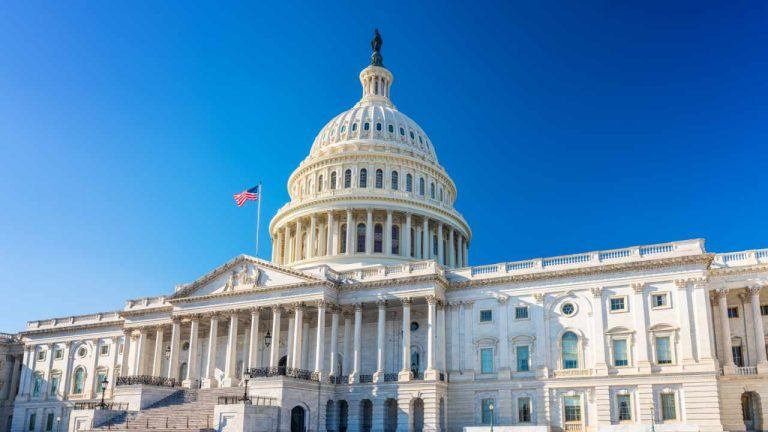
Senators Warren and Curtis Question Kalshi, Polymarket Over Election Insider Trading Concerns

Gaming Technologies of the New Time!

Calls for Enhanced Discussion on Bitcoin as Brazil’s Reserve Asset: A Move Towards ‘Internet’s Gold’

Bitcoin Declines Below $80K: deVere CEO Nigel Green Remains Bullish on Long-Term Outlook Following Strategic U.S. Bitcoin Reserve Announcement
-
 Press Releases2 years ago
Gaming Technologies of the New Time!
-
 Altcoins2 years ago
Calls for Enhanced Discussion on Bitcoin as Brazil’s Reserve Asset: A Move Towards ‘Internet’s Gold’
-
 Altcoins2 years ago
Bitcoin Declines Below $80K: deVere CEO Nigel Green Remains Bullish on Long-Term Outlook Following Strategic U.S. Bitcoin Reserve Announcement
-

 Bitcoin1 year ago
Peter Schiff เตือนนักลงทุนคริปโตขาย Ethereum (ETH) เพื่อซื้อ Bitcoin ชี้ ETH มีศักยภาพจำกัด
-

 Bitcoin2 years ago
Bitcoin Surges Past $64K as SEI and POPCAT Lead Daily Crypto Gains on September 25
-

 Altcoins2 years ago
FBI เชื่อมโยงนักแสดงเกาหลีเข้ากับการแฮ็ก DMM Exchange มูลค่า 308 ล้านดอลลาร์
-

 Altcoins2 years ago
Bybit announces it will stop withdrawing services in France from January 8, 2025 after regulatory changes
-

 Bitcoin1 year ago
Strategy ขยายการถือครองบิตคอยน์สู่ 580,955 BTC หลังจากการซื้อใหม่มูลค่าหลายล้านดอลลาร์