
Altcoins
Democrats Seek Whistleblower Bounties to Uncover Insider Trading in Prediction Markets

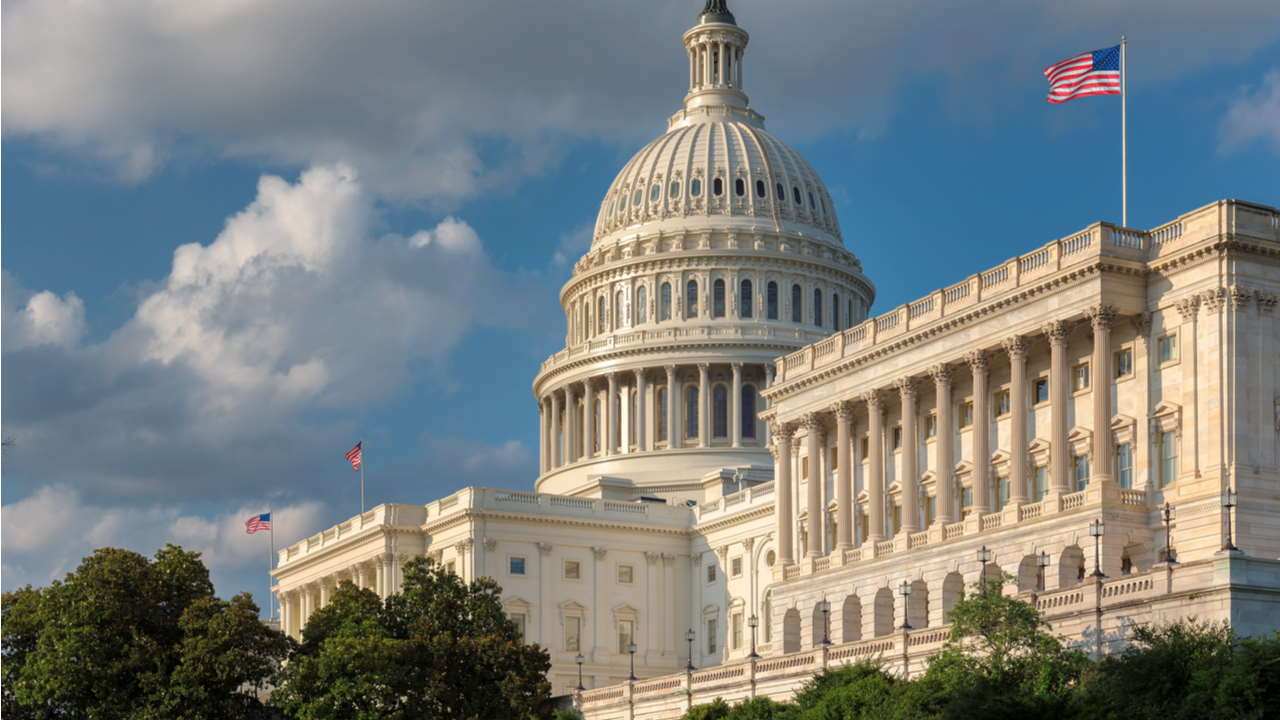
Two Democratic lawmakers have introduced legislation that would create financial incentives for people who expose insider trading in prediction markets, opening the door to potentially multimillion-dollar rewards when their information leads to successful federal enforcement actions.
Representatives Sean Casten of Illinois and Ted Lieu of California introduced the Policing Insider Trading in Prediction Markets Act of 2026 on Friday. The proposal targets the use of confidential or otherwise nonpublic information to profit from contracts tied to future events, an issue that has become increasingly significant as prediction markets draw broader public attention.
The bill would establish a whistleblower pathway for individuals who identify suspected insider trading and provide information to federal authorities. Under the measure, a person whose evidence contributes to a successful enforcement case could receive a monetary award. The potential payments could reach millions of dollars, according to the description of the legislation.
The approach reflects a familiar principle in financial enforcement: people with direct knowledge of wrongdoing can be difficult for regulators to reach without protection, incentives and a formal process for submitting evidence. Employees, contractors, market participants or others with access to relevant records may be positioned to identify suspicious activity before it becomes apparent through public trading data.
Prediction markets allow participants to buy and sell contracts linked to the outcome of an event. Depending on the market, the event could involve an election, an economic development, a policy decision or another measurable result. Contract prices generally reflect the market’s collective estimate of an outcome’s likelihood, meaning that a trader with information unavailable to the public may be able to benefit before the event becomes widely understood.
That possibility has raised questions about the boundary between legitimate analysis and unlawful trading. Participants may lawfully study public information, assess trends and make forecasts. The concern arises when a trader uses material information that was obtained improperly or is not available to other market participants, especially when the person has a duty to keep it confidential or is connected to the event being traded.
Casten and Lieu’s proposal would not simply rely on regulators discovering those transactions on their own. Instead, it would encourage individuals to come forward by offering a possible share of the financial penalties or recoveries generated by a case. Such systems are intended to reduce the personal and professional risks that can discourage whistleblowers from reporting misconduct.
The measure comes as prediction markets occupy a more prominent place in public discussions about finance, technology and regulation. Their contracts can resemble financial products while also being tied to real-world events, creating questions about oversight and market integrity. As participation expands, lawmakers and regulators face the challenge of determining how existing rules apply and whether additional safeguards are needed.
Insider trading concerns can be particularly difficult in event-based markets because the information that moves prices may come from a narrow group of people. Someone involved in organizing an event, managing a company, shaping a policy decision or handling private data could potentially possess knowledge that gives them an advantage over ordinary traders. Even where a trade appears small, a pattern of activity or a well-timed position may offer investigators a lead.
A whistleblower award program could provide authorities with details that are otherwise unavailable, including communications, internal documents, trading instructions or explanations of how a particular position was established. The value of such evidence would depend on whether it is credible, specific and sufficiently connected to conduct that violates federal law.
The bill’s introduction does not itself establish that insider trading is occurring in any particular prediction market, nor does it represent a finding against any company, platform or trader. Instead, it signals congressional interest in creating a clearer enforcement mechanism for misconduct involving these markets. Any case brought under existing or future authority would still require an investigation and a determination that the conduct violated applicable law.
The proposal also places whistleblower incentives at the center of a broader policy debate over how prediction markets should operate. Supporters of stricter oversight may view rewards as a practical tool for protecting market participants and discouraging the misuse of confidential information. Critics could question how regulators would define insider trading in markets built around forecasts, or how to distinguish unlawful disclosure from ordinary research and informed speculation.
Those questions may become more important as prediction markets continue to develop and attract users who are accustomed to traditional trading platforms. Rules designed for securities markets may not always translate neatly to contracts based on public events, while weak enforcement could undermine confidence in the fairness of the markets.
For now, the legislation introduced by Casten and Lieu places the focus on detection. By offering potentially substantial rewards for information that produces successful federal action, the Policing Insider Trading in Prediction Markets Act of 2026 seeks to turn people with inside knowledge into a source of enforcement leads rather than silent observers of suspected misconduct.

-

 Press Releases2 years ago
Gaming Technologies of the New Time!
-

 Altcoins2 years ago
Bybit announces it will stop withdrawing services in France from January 8, 2025 after regulatory changes
-

 Altcoins2 years ago
FBI เชื่อมโยงนักแสดงเกาหลีเข้ากับการแฮ็ก DMM Exchange มูลค่า 308 ล้านดอลลาร์
-

 Altcoins2 years ago
Calls for Enhanced Discussion on Bitcoin as Brazil’s Reserve Asset: A Move Towards ‘Internet’s Gold’
-

 Bitcoin1 year ago
Peter Schiff เตือนนักลงทุนคริปโตขาย Ethereum (ETH) เพื่อซื้อ Bitcoin ชี้ ETH มีศักยภาพจำกัด
-

 Bitcoin2 years ago
5 สกุลเงินคริปโตที่ควรซื้อ เมื่อบริษัท MicroStrategy ของจีนเริ่มสะสม Bitcoin
-

 Bitcoin2 years ago
Bitcoin ETF ประสบปัญหาใหญ่ออกเงินสูงถึง 1 พันล้านดอลลาร์ในวันเดียว
-

 Altcoins2 years ago
Gemini ประกาศเพิ่มการซื้อขายเหรียญ Stablecoin RLUSD ของ Ripple