
Altcoins
State of Crypto Highlights Growing Push for Supreme Court Review of Prediction Markets

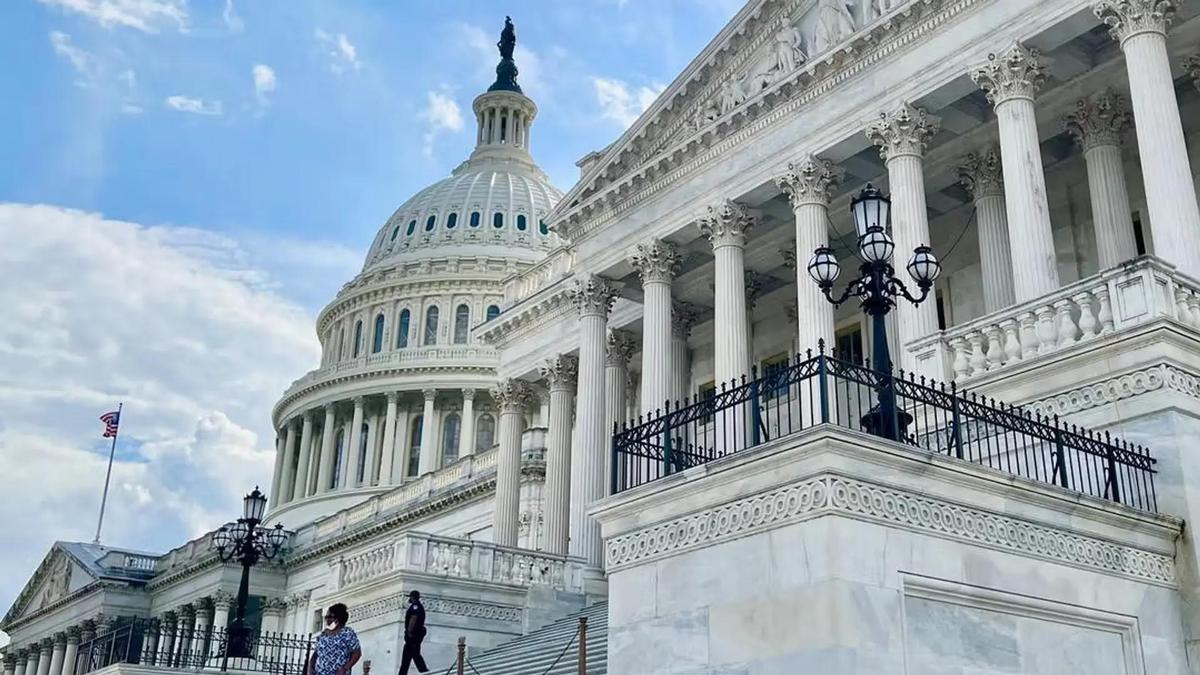
The legal fight over prediction markets has reached the U.S. Supreme Court’s doorstep, although the justices have not yet said whether they will hear any of the cases seeking to shape the industry’s future.
The uncertainty has not stopped the dispute from expanding. Several parties have filed amicus briefs, while regulators have moved on both an interim final rule and a separate rule proposal. Together, those developments have turned what was once a relatively specialized question about event-based trading into a broader test of how federal agencies, states and courts will treat prediction markets.
At issue is the status of contracts that allow participants to trade on the outcome of events. Depending on the platform and the subject of the contract, those events can involve elections, economic indicators, sports or other real-world developments. Supporters describe the contracts as financial instruments that aggregate information and allow participants to manage risk. Critics have raised concerns about gambling, manipulation, consumer protection and the appropriate limits of regulatory authority.
The Supreme Court has not committed to taking up the issue. That means the existing legal disputes remain active while the justices consider whether the questions presented warrant review. A decision to deny review would not necessarily settle the broader debate, but it could leave lower-court rulings and agency actions as the main forces determining how the market develops. Granting review, by contrast, could give the court an opportunity to address the boundary between financial derivatives and activity that states or other regulators may view differently.
Amicus briefs are adding to the pressure on the court. Such filings come from parties that are not directly involved in a case but believe they can offer legal, economic or practical insight. In disputes involving prediction markets, those submissions can provide the justices with arguments about federal pre-emption, the scope of agency power, the treatment of event contracts and the consequences of allowing or restricting the products.
The presence of multiple briefs also signals that the matter extends beyond the interests of individual trading platforms. Financial firms, industry groups, state officials, academics and other organizations may see the cases as affecting the wider derivatives market or the division of authority between Washington and the states. Their arguments can frame prediction markets as either an emerging financial technology deserving a consistent national framework or as a category of activity requiring closer local oversight.
Regulatory action has added another layer to the legal uncertainty. An interim final rule can take effect before the usual full rulemaking process is complete, although agencies generally provide an opportunity for public comment and may revise the measure later. Such rules are often used when an agency believes that immediate guidance or regulatory clarity is necessary.
A rule proposal follows a different path. It sets out an agency’s suggested approach and invites public feedback before a final rule is adopted. The distinction matters because the two measures may operate on different timelines and carry different degrees of permanence. For companies offering prediction-market contracts, traders and other market participants, that can make it difficult to determine which standards will ultimately govern their activities.
The developments also highlight a recurring problem in financial regulation: new products can appear faster than the legal framework designed to oversee them. A contract tied to an event may resemble a bet to one observer, a hedge to another and an information market to a third. The classification can influence which regulator has authority, what disclosures are required and whether a product may be offered across state lines.
The Supreme Court’s potential involvement is therefore significant even though no hearing has been scheduled. A ruling could clarify how existing federal statutes apply to prediction markets and how much discretion regulators have when approving, restricting or rejecting particular contracts. It could also affect the extent to which state policies can limit products offered through federally regulated platforms.
Until the court acts, the industry faces a landscape shaped by litigation, administrative proceedings and competing interpretations of the law. Companies must monitor both the cases and the regulatory record, while participants confront the possibility that the rules governing a market could change as courts and agencies reach new decisions.
For now, the central question remains unanswered: whether the Supreme Court will intervene directly or leave the lower courts and regulators to resolve the conflict. The accumulation of briefs and rulemaking activity ensures that prediction markets will remain a closely watched test of the government’s approach to financial innovation, state authority and the expanding range of contracts tied to real-world events.


State of Crypto Highlights Growing Push for Supreme Court Review of Prediction Markets

AI-Enabled Solo Businesses Surge Across China

Bitcoin Targets $85,000 as Market Momentum Remains Elusive

Gaming Technologies of the New Time!

Calls for Enhanced Discussion on Bitcoin as Brazil’s Reserve Asset: A Move Towards ‘Internet’s Gold’

Bitcoin Declines Below $80K: deVere CEO Nigel Green Remains Bullish on Long-Term Outlook Following Strategic U.S. Bitcoin Reserve Announcement
-
 Press Releases2 years ago
Gaming Technologies of the New Time!
-
 Altcoins2 years ago
Calls for Enhanced Discussion on Bitcoin as Brazil’s Reserve Asset: A Move Towards ‘Internet’s Gold’
-
 Altcoins2 years ago
Bitcoin Declines Below $80K: deVere CEO Nigel Green Remains Bullish on Long-Term Outlook Following Strategic U.S. Bitcoin Reserve Announcement
-

 Bitcoin2 years ago
Bitcoin Surges Past $64K as SEI and POPCAT Lead Daily Crypto Gains on September 25
-

 Bitcoin1 year ago
Peter Schiff เตือนนักลงทุนคริปโตขาย Ethereum (ETH) เพื่อซื้อ Bitcoin ชี้ ETH มีศักยภาพจำกัด
-

 Press Releases2 years ago
Evo Exchange: Redefining the Decentralized Exchange Landscape
-

 Bitcoin1 year ago
Grayscale Investments Submits Draft Registration for IPO, Aiming for Public Trading in U.S.
-

 Press Releases2 years ago
CODE, a Newly Born Project Brings Decentralization Back to the Main Menu