
Altcoins
Goldman Sachs, Wells Fargo and Morgan Stanley View Tokenization as a Major Growth Opportunity

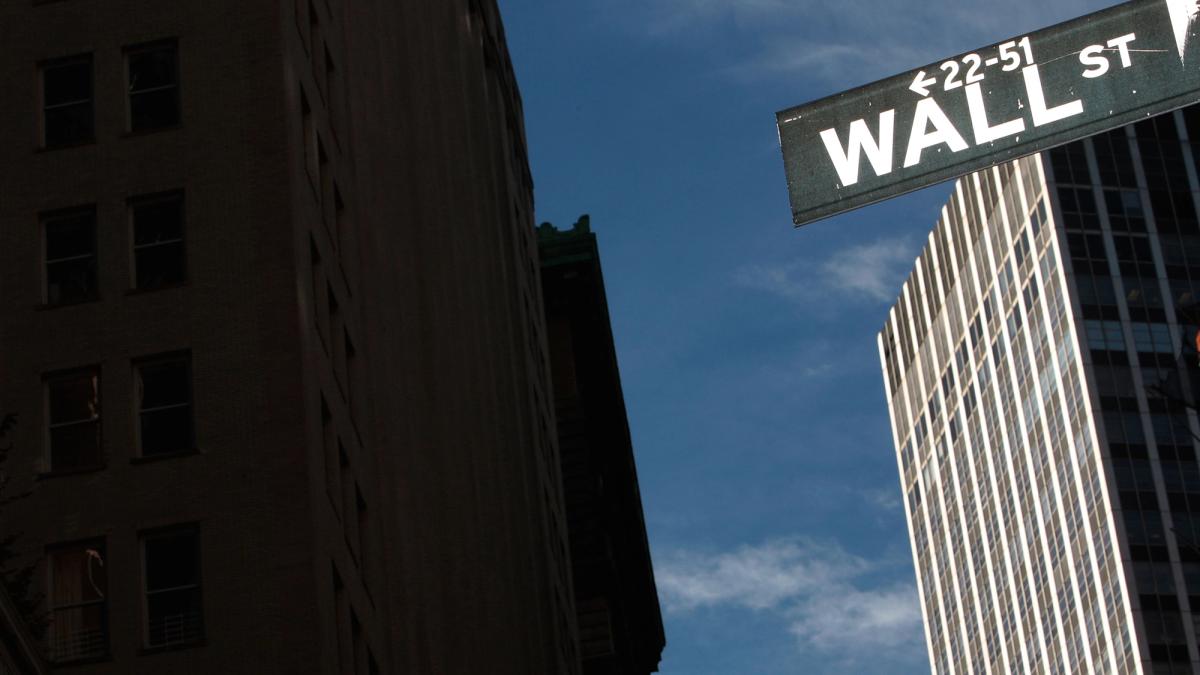
Goldman Sachs, Wells Fargo and Morgan Stanley are increasingly treating the tokenization of financial assets as a business opportunity rather than a direct threat to traditional banking. As blockchain-based systems move closer to mainstream financial markets, the banks are examining how the technology could create new trading activity, make payments more efficient and expand the role of financial advisers.
Tokenization refers to the process of representing ownership of an asset, such as a bond, fund interest, loan or piece of real estate, through a digital token recorded on a blockchain or another distributed ledger. Unlike cryptocurrencies, which are generally designed as native digital assets, tokenized instruments are linked to claims on assets that already exist within the conventional financial system.
The appeal for large banks lies partly in the possibility of modernizing infrastructure that has traditionally depended on multiple intermediaries, manual reconciliation and separate record-keeping systems. A shared digital ledger can, in principle, allow authorized participants to view and transfer ownership more quickly while reducing some of the administrative work involved in settling transactions.
That prospect has drawn the attention of institutions that sit at the center of global capital markets. Goldman Sachs and Morgan Stanley have long operated major businesses in investment banking, trading and wealth management, while Wells Fargo has a large presence in commercial and consumer banking. For firms with extensive client networks and established market infrastructure, the spread of tokenized assets could generate additional services rather than simply displace existing ones.
One potential area of growth is trading. If bonds, funds and other financial products are issued in tokenized form, banks could help structure those offerings, arrange transactions and provide liquidity in secondary markets. They may also act as custodians, brokers or market makers, roles that remain important even when the underlying records are maintained on blockchain-based systems.
Tokenization could also alter the pace and mechanics of settlement. Conventional securities transactions often require several parties to update their records before a trade is considered complete. That process can involve custodians, clearing systems, transfer agents and banks. A tokenized structure may allow some of those steps to be coordinated through programmable digital records, potentially shortening settlement cycles and lowering operational friction.
Payments represent another area of interest. Tokenized deposits and other blockchain-based forms of bank money could support transfers between institutions or across borders with fewer delays. The technology may be particularly useful in markets where payments currently pass through several intermediaries or where participants must maintain liquidity in different jurisdictions. Banks, however, would still need to address questions surrounding regulation, privacy, cybersecurity and the finality of transactions.
The commercial opportunity is not limited to technology. Advisers could have a larger role as clients seek help understanding which assets should be tokenized, how digital ownership should be structured and what legal or regulatory obligations apply. Institutional investors may need guidance on custody arrangements, reporting, risk controls and the integration of tokenized products into existing portfolios.
For wealth managers, tokenization could eventually broaden access to assets that have historically been difficult to divide or trade. Private credit, real estate, infrastructure projects and other less-liquid investments can involve high minimums, lengthy paperwork and limited opportunities to sell. Digital representation could make fractional ownership or more frequent transfers possible, although those outcomes depend on market demand, legal recognition and the development of reliable trading venues.
The technology does not eliminate the underlying risks associated with those assets. A token linked to a property, loan or security remains exposed to the performance of that asset. Investors would also need confidence that the token represents an enforceable claim, that ownership records are accurate and that a transfer can be completed when desired. Liquidity cannot be created merely by placing an asset on a blockchain.
Those limitations help explain why major banks are approaching tokenization as an extension of existing financial services. Their competitive advantage is not only access to software. It also includes regulatory expertise, balance-sheet capacity, relationships with institutional clients and experience managing complex transactions. These capabilities could be valuable if tokenized markets grow but remain subject to the same standards that govern conventional finance.
The shift also raises questions about the future division of labor between banks and technology companies. Blockchain developers and digital-asset firms may provide the platforms and specialized tools, while established banks handle onboarding, compliance, custody and client distribution. Partnerships between the two groups could become more common as financial institutions test systems without replacing their existing operations all at once.
Regulation will be a decisive factor. Supervisors must determine how tokenized securities should be classified, which rules apply to digital custody and how institutions should manage operational and consumer risks. Cross-border transactions add another layer of complexity because the same token may involve participants subject to different legal regimes. Clear standards could encourage investment, while uncertainty may keep many projects limited to pilot programs.
There are also practical concerns around interoperability. A token issued on one network may not easily move to another, and different platforms may maintain incompatible standards. Banks will need systems capable of connecting digital assets with traditional accounts, payment rails and securities infrastructure. Without that compatibility, tokenization could create new silos instead of replacing old ones.
Even with those obstacles, the growing attention from Goldman Sachs, Wells Fargo and Morgan Stanley signals that Wall Street sees digital representation of assets as a potential source of revenue and efficiency. The technology may reshape how securities are issued, exchanged and settled, but the banks’ emerging strategy is to participate in that transformation and provide the services surrounding it.
Rather than viewing tokenization solely as a challenge to established institutions, the banks appear to see a market in which trusted intermediaries could remain central. New digital rails may change the way transactions are recorded and completed, while advisory, custody, trading and risk-management functions continue to form the foundation of the financial system.

Goldman Sachs, Wells Fargo and Morgan Stanley View Tokenization as a Major Growth Opportunity

Bitcoin Trades Near $81,500 as Bulls and Bears Fail to Gain Control

BlackRock-Led Selling Sends Bitcoin and Ether ETFs to $152 Million in Outflows

Gaming Technologies of the New Time!

Calls for Enhanced Discussion on Bitcoin as Brazil’s Reserve Asset: A Move Towards ‘Internet’s Gold’

Bitcoin Declines Below $80K: deVere CEO Nigel Green Remains Bullish on Long-Term Outlook Following Strategic U.S. Bitcoin Reserve Announcement
-
 Press Releases2 years ago
Gaming Technologies of the New Time!
-
 Altcoins2 years ago
Calls for Enhanced Discussion on Bitcoin as Brazil’s Reserve Asset: A Move Towards ‘Internet’s Gold’
-
 Altcoins2 years ago
Bitcoin Declines Below $80K: deVere CEO Nigel Green Remains Bullish on Long-Term Outlook Following Strategic U.S. Bitcoin Reserve Announcement
-
 Bitcoin2 years ago
Bitcoin Surges Past $64K as SEI and POPCAT Lead Daily Crypto Gains on September 25
-
 Bitcoin1 year ago
Peter Schiff เตือนนักลงทุนคริปโตขาย Ethereum (ETH) เพื่อซื้อ Bitcoin ชี้ ETH มีศักยภาพจำกัด
-
 Press Releases2 years ago
Evo Exchange: Redefining the Decentralized Exchange Landscape
-

 Bitcoin1 year ago
Grayscale Investments Submits Draft Registration for IPO, Aiming for Public Trading in U.S.
-

 Press Releases2 years ago
CODE, a Newly Born Project Brings Decentralization Back to the Main Menu