
Bitcoin
Bitcoin Drops Below $64,000 to Three-Month Low as Analyst Warns of Fourth Capitulation Wave

Bitcoin fell below $64,000, reaching its lowest level in roughly three months as renewed selling pressure raised concerns that the cryptocurrency market may be entering a fourth capitulation phase.
The decline has put holders who bought during earlier rallies under renewed pressure, particularly those who entered the market when prices were significantly higher. Analyst James Check described the latest selling as a painful reversal of investor expectations, writing: “They are now selling at the very price they wish they had taken advantage of three months ago.”
Check’s observation points to a familiar pattern in digital-asset markets. Investors often remain reluctant to sell while prices are rising, expecting further gains and dismissing temporary pullbacks as routine. When the market weakens for long enough, however, that confidence can give way to loss-cutting. Selling then becomes less about securing profits and more about limiting further damage.
That process is commonly referred to as capitulation. It occurs when investors who have endured a prolonged decline decide they can no longer tolerate the risk, prompting them to exit positions even after substantial losses. A capitulation event can accelerate a downturn because forced or emotionally driven selling adds to already fragile market conditions. It can also create the conditions for a later recovery, although a capitulation signal does not guarantee that prices have reached a bottom.
Bitcoin’s move beneath the $64,000 threshold is therefore being watched not only as a price milestone but also as a measure of market sentiment. A three-month low suggests that gains accumulated during the earlier portion of the period have been erased, leaving traders to reassess whether the current weakness represents a temporary correction or a broader change in direction.
The significance of the level extends beyond its round-number appeal. Price points that have previously attracted buyers can become areas where traders look for support. If those levels fail to hold, market participants may interpret the move as evidence that demand is not strong enough to absorb the available supply. Conversely, a rapid rebound could indicate that buyers remain willing to step in after the decline.
Check’s reference to a “fourth capitulation wave” suggests that the current sell-off is part of a sequence rather than an isolated drop. Repeated waves of forced selling can indicate that different groups of investors are being affected at different stages. Some traders may sell quickly after an initial decline, while longer-term holders or those who had expected a recovery may remain invested until the market weakens again.
The distinction matters because market-wide selling pressure can build gradually. Bitcoin does not need every holder to become bearish at once. A series of smaller decisions to reduce exposure can weigh on prices, particularly when buyers become cautious and trading activity is dominated by investors seeking to leave the market. Each new decline can then test the conviction of participants who had previously resisted selling.
At the same time, capitulation language remains an interpretation of market behavior rather than a formal indicator with a universally accepted definition. Analysts may use different criteria when identifying such phases, including the intensity of losses, the behavior of long-term holders and the amount of trading activity accompanying a decline. Calling the latest move a fourth wave reflects Check’s reading of the market, not a definitive determination that Bitcoin has completed its downward cycle.
The drop also highlights the difficulty of timing cryptocurrency investments. Buyers who had wished they had sold three months earlier may now be facing the opposite decision: whether to hold through the downturn, reduce their exposure or attempt to buy after the decline. Each choice carries significant uncertainty because digital-asset prices can move sharply in either direction and can be heavily influenced by changing sentiment.
For investors, the immediate question is whether the break below $64,000 will lead to additional selling or attract fresh demand. A sustained move lower could reinforce fears that the market is entering a deeper bearish phase. Stabilization around current levels, followed by a recovery, could instead ease some of the pressure on holders and weaken the capitulation narrative.
Until the market establishes a clearer direction, Bitcoin’s decline is likely to remain a test of investor conviction. The latest wave has already transformed earlier optimism into defensive decision-making, with traders now focused less on capturing the next advance and more on determining how much risk they are prepared to carry.

Bitcoin Drops Below $64,000 to Three-Month Low as Analyst Warns of Fourth Capitulation Wave
Bitcoin Wallets Drop by 109,000 Since October as Retail Holders Capitulate
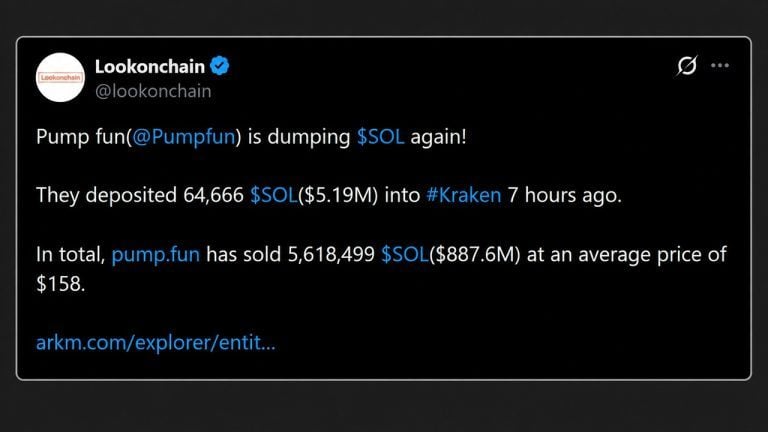
Pump.fun’s SOL Sales Approach $888 Million as Selling Continues unabated

Gaming Technologies of the New Time!

Calls for Enhanced Discussion on Bitcoin as Brazil’s Reserve Asset: A Move Towards ‘Internet’s Gold’

Bybit announces it will stop withdrawing services in France from January 8, 2025 after regulatory changes
-
 Press Releases2 years ago
Gaming Technologies of the New Time!
-
 Altcoins2 years ago
Calls for Enhanced Discussion on Bitcoin as Brazil’s Reserve Asset: A Move Towards ‘Internet’s Gold’
-
 Altcoins2 years ago
Bybit announces it will stop withdrawing services in France from January 8, 2025 after regulatory changes
-

 Altcoins2 years ago
FBI เชื่อมโยงนักแสดงเกาหลีเข้ากับการแฮ็ก DMM Exchange มูลค่า 308 ล้านดอลลาร์
-

 Bitcoin1 year ago
Peter Schiff เตือนนักลงทุนคริปโตขาย Ethereum (ETH) เพื่อซื้อ Bitcoin ชี้ ETH มีศักยภาพจำกัด
-

 Altcoins2 years ago
Bitcoin Declines Below $80K: deVere CEO Nigel Green Remains Bullish on Long-Term Outlook Following Strategic U.S. Bitcoin Reserve Announcement
-

 Bitcoin2 years ago
5 สกุลเงินคริปโตที่ควรซื้อ เมื่อบริษัท MicroStrategy ของจีนเริ่มสะสม Bitcoin
-

 Bitcoin2 years ago
Bitcoin ETF ประสบปัญหาใหญ่ออกเงินสูงถึง 1 พันล้านดอลลาร์ในวันเดียว