
Bitcoin
CFTC Signals Bitcoin, Ether and Stablecoins Could Fund Agency Operations

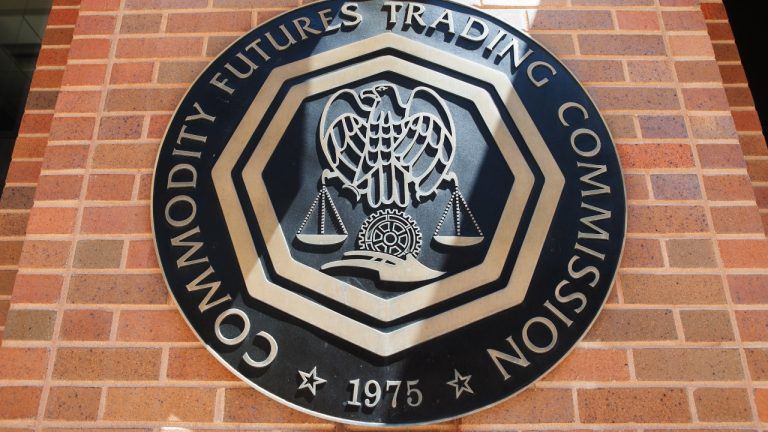
Staff at the U.S. Commodity Futures Trading Commission have opened the door for regulated derivatives exchanges and clearinghouses to include bitcoin, ether and certain payment stablecoins in calculations tied to their operating reserves.
The agency issued an advisory on Nov. 23 clarifying that the three categories of digital assets may count toward requirements designed to ensure that market infrastructure operators can continue functioning for a 12-month period. The guidance addresses how firms may treat the assets when demonstrating that they maintain an adequate solvency buffer.
The advisory distinguishes that reserve question from a broader liquidity carve-out. In practical terms, the CFTC staff guidance concerns whether eligible digital assets can be recognized as part of the resources supporting a venue’s ongoing operations. It does not, based on the information provided, amount to a blanket endorsement of all cryptocurrencies or establish that every digital asset can be used to satisfy the same requirements.
Bitcoin and ether are the two crypto assets specifically identified in the advisory. Payment stablecoins are also included, although the source material does not name individual stablecoin issuers or specify additional eligibility conditions. The inclusion of stablecoins places particular emphasis on digital tokens designed for payments, rather than on the entire stablecoin market.
The distinction matters because exchanges and clearinghouses must demonstrate that they have enough financial resources to operate through periods of stress. Operating reserves are intended to support essential functions, including technology, staffing, risk management and other infrastructure needed to keep a market running. For a clearinghouse, financial resilience also has broader importance because it stands between buyers and sellers and helps manage the obligations created by derivatives transactions.
By allowing the listed digital assets to be counted, the CFTC staff advisory could give regulated firms more flexibility in how they assemble their reserve portfolios. A firm that holds qualifying bitcoin, ether or payment stablecoins may be able to include those holdings when showing that it meets the relevant 12-month operating requirement, subject to the rules and conditions applicable to the calculation.
The move is significant because digital assets have traditionally raised questions about valuation, volatility and convertibility. Bitcoin and ether can experience sharp price changes, while stablecoins are designed to maintain a relatively steady value but still depend on the mechanisms and assets supporting their price. Recognizing any of these assets for regulatory purposes therefore requires a distinction between their market identity and their role in a firm’s financial planning.
The advisory does not erase those differences. Bitcoin and ether remain market-based assets whose value can fluctuate substantially. Payment stablecoins, meanwhile, are generally used to transfer or settle value, but their reliability depends on the structure of the token, the assets backing it and the ability of holders to use or redeem it as intended. The source material does not say that the CFTC has treated the three categories as identical.
Nor does the guidance necessarily mean that a derivatives exchange or clearinghouse can simply substitute digital assets for cash or other traditional resources without restriction. The advisory is described as a clarification from CFTC staff, indicating how existing reserve requirements may apply to the specified assets. It does not state that every firm automatically qualifies, nor does it detail valuation haircuts, custody arrangements or other safeguards that may affect how assets are counted.
That distinction is important for market participants. Regulatory recognition can influence how financial institutions evaluate digital-asset holdings, but the effect depends on the precise scope of the advisory and how individual firms implement it. Exchanges and clearing organizations remain responsible for meeting the requirements governing their operations, and the staff clarification does not remove the need for adequate financial controls.
The guidance also arrives as regulators continue to determine how digital assets fit within established financial-market rules. Bitcoin, ether and stablecoins serve different purposes and carry different risk profiles, yet all three have increasingly become part of discussions involving trading, settlement and market infrastructure. The CFTC’s advisory addresses a narrow operational question: whether those assets can be included when regulated venues demonstrate that they have resources sufficient to maintain operations for a year.
For the derivatives industry, the decision could make reserve planning more adaptable. Firms may gain an additional way to account for assets already held or used within their businesses, while regulators retain the ability to assess whether the resources are suitable for the purpose claimed. The advisory’s significance will therefore depend not only on the assets named but also on the standards applied when they are valued and counted.
At its core, the CFTC staff action recognizes bitcoin, ether and payment stablecoins as potentially relevant components of a regulated venue’s operating-reserve calculation. It does not place all digital assets on the same regulatory footing or eliminate the financial risks associated with them. Instead, it provides clarification on how three categories of crypto-related assets may be considered within the 12-month reserve framework for exchanges and clearinghouses.


-

 Press Releases2 years ago
Gaming Technologies of the New Time!
-

 Altcoins2 years ago
Bybit announces it will stop withdrawing services in France from January 8, 2025 after regulatory changes
-

 Altcoins2 years ago
FBI เชื่อมโยงนักแสดงเกาหลีเข้ากับการแฮ็ก DMM Exchange มูลค่า 308 ล้านดอลลาร์
-

 Altcoins2 years ago
Calls for Enhanced Discussion on Bitcoin as Brazil’s Reserve Asset: A Move Towards ‘Internet’s Gold’
-

 Bitcoin2 years ago
5 สกุลเงินคริปโตที่ควรซื้อ เมื่อบริษัท MicroStrategy ของจีนเริ่มสะสม Bitcoin
-

 Bitcoin1 year ago
Peter Schiff เตือนนักลงทุนคริปโตขาย Ethereum (ETH) เพื่อซื้อ Bitcoin ชี้ ETH มีศักยภาพจำกัด
-

 Bitcoin2 years ago
Bitcoin ETF ประสบปัญหาใหญ่ออกเงินสูงถึง 1 พันล้านดอลลาร์ในวันเดียว
-

 Altcoins2 years ago
Gemini ประกาศเพิ่มการซื้อขายเหรียญ Stablecoin RLUSD ของ Ripple