
Altcoins
Goldman Sachs and Citi Reportedly Pledge $270 Million to Stablecoin Venture

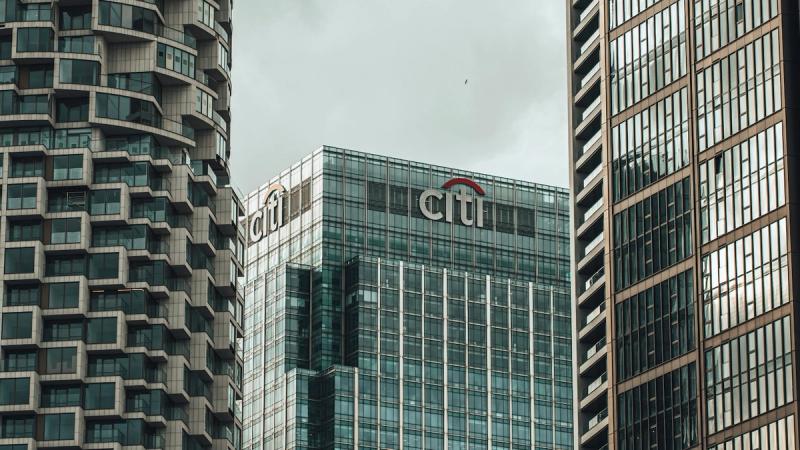
Goldman Sachs and Citigroup are among a group of banks reportedly preparing to commit about $270 million to a new stablecoin venture, signaling continued interest from major financial institutions in digital assets tied to traditional currencies.
The project, known as Project Faro, is expected to issue a stablecoin denominated in U.S. dollars and to be incorporated in the United States. Details about the venture’s ownership structure, launch timetable, technology provider and the participation of other banks have not been disclosed.
Stablecoins are digital tokens designed to maintain a relatively stable value by linking their price to an underlying asset, most commonly a national currency such as the dollar. Unlike cryptocurrencies whose values can fluctuate sharply, a dollar stablecoin is generally intended to trade at or near $1. Issuers typically seek to support that value with reserves made up of cash, short-term government securities or other liquid assets, although the composition and management of those reserves vary by project.
The reported involvement of Goldman Sachs and Citigroup places Project Faro within a broader push by established financial firms to explore blockchain-based payments and settlement systems. Banks have spent years testing distributed-ledger technology for moving money, recording ownership and settling transactions. Stablecoins offer one potential way to connect those systems to existing financial markets, particularly for transfers that take place outside traditional banking hours or across national borders.
A bank-backed dollar token could be used for payments between financial institutions, transfers involving corporate customers or the settlement of digital-asset transactions. It could also provide a digital representation of money that can move through blockchain networks without requiring users to convert between a bank deposit and a cryptocurrency. Whether a project achieves meaningful adoption, however, depends on its regulatory status, reserve arrangements, technical design and the willingness of banks and customers to use it.
The reported $270 million commitment appears to represent financing for the venture rather than the total value of tokens that could eventually be issued. Those are separate measures. A stablecoin issuer may raise capital to build its platform and establish operations, while the number of tokens in circulation would depend on demand and on the assets held to support them.
The planned U.S. incorporation could also place the project directly within the country’s developing regulatory framework for digital dollars and payment-related tokens. U.S. lawmakers and financial regulators have been examining how stablecoin issuers should be supervised, what assets should qualify as reserves, how customers should be protected and how tokens should be redeemed. The precise rules applicable to Project Faro would depend on the structure of the venture, the institutions involved and the services it ultimately offers.
For banks, the appeal of stablecoins extends beyond cryptocurrency trading. Digital tokens can be programmed to move alongside transaction data, potentially reducing the number of intermediaries involved in certain payments. They may also allow financial institutions to automate parts of settlement, collateral management and reconciliation. These possible efficiencies have encouraged both banks and technology companies to investigate blockchain networks even as the sector continues to face legal and operational uncertainties.
A bank-issued or bank-supported token would nevertheless have to address issues that have challenged other stablecoins. Users and regulators would want clarity on the assets backing each token, the frequency and quality of reserve disclosures, the process for redeeming tokens and the protections available if the issuer encounters financial difficulties. Cybersecurity, network reliability and the handling of transactions involving sanctioned or illicit actors would be additional concerns.
The project’s reported backing also reflects the growing competition among financial institutions to shape the infrastructure of digital payments. Large banks have traditionally relied on centralized systems and established payment networks, while blockchain-based platforms have promoted continuously available settlement and direct transfers between digital wallets. A stablecoin venture could give participating banks a way to experiment with those capabilities while retaining a connection to regulated financial services.
At this stage, the available information about Project Faro remains limited. The reported funding commitment, the expected dollar denomination and the planned U.S. incorporation describe the venture’s broad direction, but they do not establish when the stablecoin will launch or how it will function in practice. Further details about participating institutions, governance, reserve custody and regulatory approvals will determine whether the project becomes a widely used payment instrument or remains an early-stage banking initiative.

Anthropic Launches IPO Roadshow for Offering Worth Up to $64.35 Billion
Goldman Sachs and Citi Reportedly Pledge $270 Million to Stablecoin Venture

Crypto Law Roundup: Major Legal Developments Through November 8, 2026

Gaming Technologies of the New Time!

Calls for Enhanced Discussion on Bitcoin as Brazil’s Reserve Asset: A Move Towards ‘Internet’s Gold’

Bybit announces it will stop withdrawing services in France from January 8, 2025 after regulatory changes
-
 Press Releases2 years ago
Gaming Technologies of the New Time!
-
 Altcoins2 years ago
Calls for Enhanced Discussion on Bitcoin as Brazil’s Reserve Asset: A Move Towards ‘Internet’s Gold’
-
 Altcoins2 years ago
Bybit announces it will stop withdrawing services in France from January 8, 2025 after regulatory changes
-

 Bitcoin1 year ago
Peter Schiff เตือนนักลงทุนคริปโตขาย Ethereum (ETH) เพื่อซื้อ Bitcoin ชี้ ETH มีศักยภาพจำกัด
-

 Altcoins2 years ago
FBI เชื่อมโยงนักแสดงเกาหลีเข้ากับการแฮ็ก DMM Exchange มูลค่า 308 ล้านดอลลาร์
-

 Altcoins2 years ago
Bitcoin Declines Below $80K: deVere CEO Nigel Green Remains Bullish on Long-Term Outlook Following Strategic U.S. Bitcoin Reserve Announcement
-

 Bitcoin2 years ago
Bitcoin Surges Past $64K as SEI and POPCAT Lead Daily Crypto Gains on September 25
-

 Bitcoin2 years ago
Bitcoin ETF ประสบปัญหาใหญ่ออกเงินสูงถึง 1 พันล้านดอลลาร์ในวันเดียว